How to redact a PDF
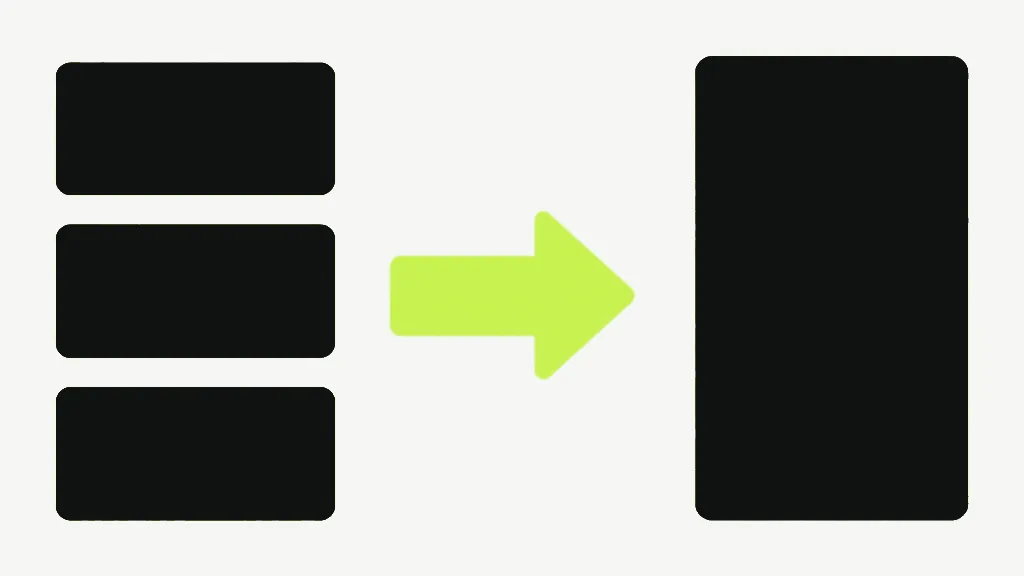
To redact a PDF, drag a black box over any text or image you want gone, then apply. Each page you mark is flattened to an image with the box baked in, so the words underneath are removed from the file, not merely hidden behind a rectangle.
To redact a PDF, open Redact PDF and drag a box over anything that has to go — a name, an account number, a face. Each page you mark is re-rendered to a flat image with opaque black painted in, and that image replaces the page, so the text and vectors underneath are never carried into the new file. It runs in your browser, so a document you are redacting because it is sensitive is never uploaded.
How to do it
Open Redact PDF
Go to Redact PDF. It runs on your device — no account, no install, nothing uploaded. A password-protected file has to be unlocked first.
Box what must go
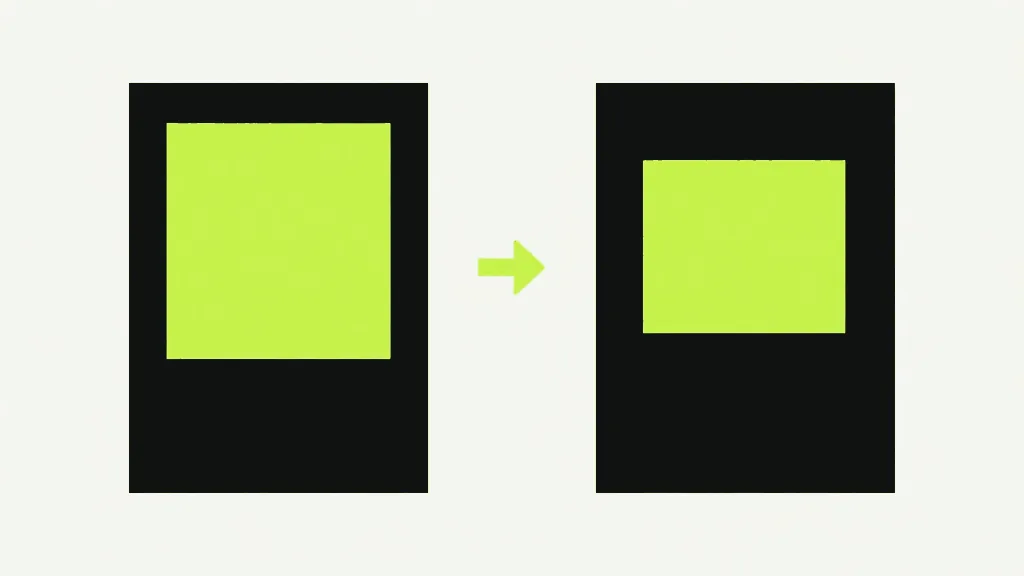
Drag across any text or image you need removed. Draw as many boxes as you need, on as many pages as you need, and remove one with the × on its corner. Draw each box a little larger than the text, because descenders and italics sit outside the tight letter bounds.
Apply and download
Click Apply redaction. The redacted PDF is built on your device and downloads on its own. Open it and check before you send it, because redaction cannot be undone from the output.
Is a black box over text enough?
No. A rectangle you simply draw over text hides the words on screen and leaves them in the file, still selectable and still turned up by search. That is the most common way a PDF leaks its own secrets, and it happens because the cover-up looks so convincing. This tool does not paint a box on top of live text; it rebuilds the marked page so the words are not there at all.
Does the redacted text really get removed?
Yes. For any page you mark, the tool builds a fresh page carrying only the flattened image — the original page, with its text and vectors, is never copied into the output. There is no hidden layer switched to invisible and nothing left to select, copy or recover, in the same way a photograph of a shredded document does not contain the document. That assembly step is kept separate from the rendering code on purpose, so it can be asserted directly in a test.
What happens to the rest of the page?
A page you redact becomes a picture, so ALL of its text stops being selectable, not just the part you covered — that is the price of the words genuinely being gone. Only the pages you mark are flattened, though: a 40-page report with two redactions loses selectable text on two pages, not forty, because every unmarked page is copied across intact and keeps its real, searchable text. Form fields and bookmarks on a redacted page do not survive either, so if the document is a form you still need to fill, fill it first and redact after.
Is it safe to redact a PDF online?
Yes, because nothing is uploaded. The page rendering, the black boxes and the rebuilt file all happen inside your browser tab — there is no server to send the document to and no account to make. A contract, a medical record or a bank statement stays on your computer, which is the whole point of redacting it in the first place.
Redaction removes text and vectors from the pages you mark, and nothing else — so treat it as one step of making a file safe to share, not the whole job. Your name can still sit in the document’s metadata or inside a file embedded in the PDF, untouched by any black box. And because a redaction cannot be undone, mark on a copy and keep the original until you have opened the result and confirmed the words are gone.